
ST. KENTERGERNS LODGE 7772
FREEMASONS IN PRESTATYN
Are you thinking about joining a Masonic Fremasons Lodge in Prestatyn North Wales?
FIND OUT MORE
ST. KENTERGERNS LODGE 7772
FREEMASONS IN PRESTATYN
Are you thinking about joining a Masonic Fremasons Lodge in Prestatyn North Wales?
FIND OUT MORE
Masonic Freemasons Lodge in Prestatyn
St. Kentigerns Masonic in Prestatyn
St. Kentigerns Masonic Loge was founded (consecrated) in 1961.
At St Kentigerns we adhere to the Masonic Core Principles. Freemasonry instils in its members a moral and ethical approach to life: it seeks to reinforce thoughtfulness for others, kindness in the community, honesty in business, courtesy in society and fairness in all things.
While all Lodges will say that they are small and friendly, St. Kentigerns really is; known for its fun side along with professionalism, a place visitors seek to come that guarantees an enjoyable evening, and workings that do our members justice, while not taking ourselves too seriously and certainly a great place to have fun when formalities are complete! For that reason we attract members from all walks of life, currently we have members who are; painters, decorators, builders, electricians, educators, ex-military, ex-police, engineers, etc.
Charity has always been a core principle of Freemasonry. Individuals can make an important contribution at local, national and global level by giving both their time and money. Freemasonry is one of the largest charitable givers in the country. St Kentigerns Lodge supports local charities and good causes in Prestatyn and the surrounding area.
Whant to know more? Have you got questions? Ring us and ask!
Masonic Timeline
St.Kentigerns Masonic Lodge in Prestatyn
MIDDLE AGES - The questions of when, how, why and where Freemasonry originated are still the subject of intense speculation. The general consensus amongst Masonic scholars is that it descends directly or indirectly from the organisation of operative stone masons who built the great cathedrals and castles of the middle ages.
1646 - Elias Ashmole recorded his initiation with these words: ‘October 16, 4.30pm – I was made a freemason at Warrington in Lancashire with Colonel Henry Mainwaring [a Roundhead parliamentarian friend related to his father-in-law] of Karincham in Cheshire. The names of those that were then at the Lodge, Mr Richard Penket Worden, Mr James Collier, Mr Richard Sankey, Henry Littler, John Ellam, Richard Ellam and Hugh Brewer.’ This is the first evidence of the initiation of an English speculative mason – notwithstanding the fact that those present and listed would have certainly been initiated at an earlier date.
1660 - From the 1660s more evidence exists of gentlemen being made Masons in non-operative Lodges.
1717 - On St John’s Day, 24 June 1717 four London Lodges, which had existed for some time, came together at the Goose and Gridiron Tavern in St Paul’s Churchyard, declared themselves a Grand Lodge and elected Anthony Sayer as their Grand Master. This was the first Grand Lodge in the world.
17123 - By this time the new Grand Lodge had published its first rule book – The Book of Constitutions of Masonry – and was meeting quarterly and recording its meetings. It had extended its authority outside London.
1725 - The Grand Lodge of Ireland was established.
1736 - The Grand Lodge of Scotland was established. The three Home Grand Lodges began to take Freemasonry overseas and the development of Freemasonry abroad mirrors the 18th and 19th century development of the British Empire.
1751 - A rival Grand Lodge appeared in London. Its original members were Irish Masons who claimed that the original Grand Lodge had made innovations. They dubbed the first Grand Lodge the Moderns and called themselves the Antients. The two existed side by side – both at home and abroad – for nearly 63 years, neither recognising each other as regular.
1813 - After four years of negotiation, the two Grand Lodges in England united on 27 December 1813 to form the United Grand Lodge of England. This union led to a great deal of standardisation of ritual, procedures and regalia.
1814 - Some 647 Lodges were in existence. The 19th century saw a great expansion of Freemasonry – both at home and abroad.
1900 - 2,800 Lodges had been established despite losses when independent Grand Lodges were formed in Canada and Australia in the later part of the century.
WORLDS WARS - The two World Wars both had a great effect on English Freemasonry. In the three years after the First World War over 350 new Lodges were set up, and in the three years after the Second World War nearly 600 new Lodges came into being. In many cases the founders were servicemen who wanted to continue the camaraderie they had built up during their war service, and were looking for a calm centre in a greatly changed and changing world.
1967 - On 14 June 1967 the 250th anniversary of Grand Lodge was celebrated at the Royal Albert Hall. Centrepiece of the celebrations was the installation as Grand Master of HRH The Duke of Kent, who still holds that office today.
1992 - On 10 June 1992 over 12,500 freemasons and guests gathered at Earls Court in West London to celebrate the 275th anniversary of Grand Lodge. For the first time press and television were present at a meeting of Grand Lodge and the event featured on television newscasts around the world.
2017 - The tercentenary of Grand Lodge in June 2017 was celebrated in style throughout the year, culminating with an Especial Meeting of Grand Lodge in the Royal Albert Hall, which was presided over by the Grand Master, HRH The Duke of Kent KG, and attended by representatives of 136 sovereign Grand Lodges from around the world
St.Kentigerns Masonic Lodge in Prestatyn
FUNCTION ROOM & CATERING
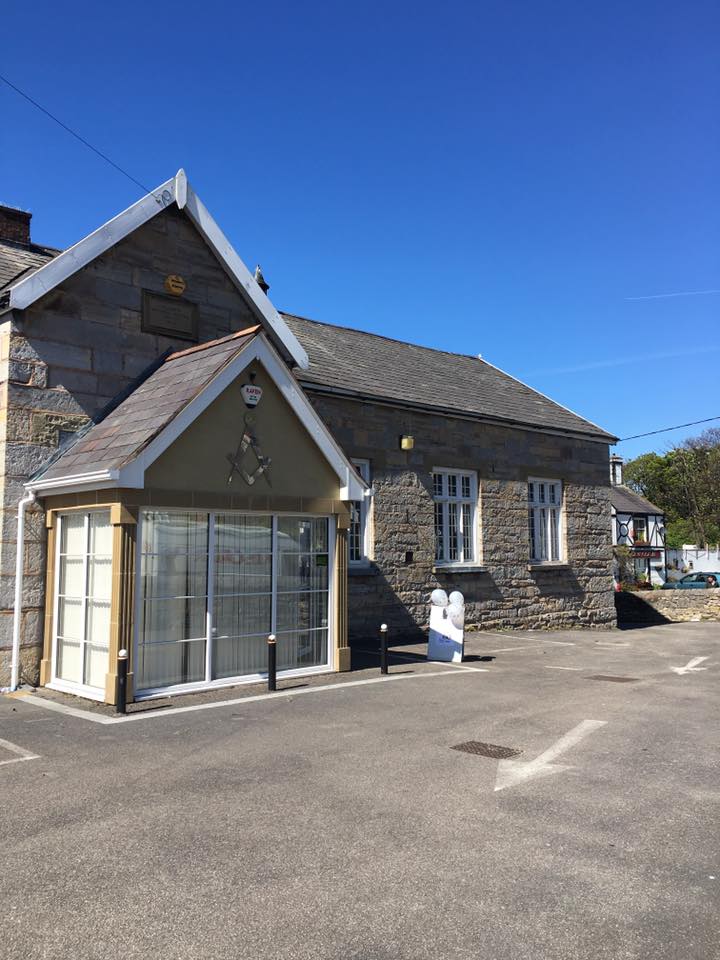
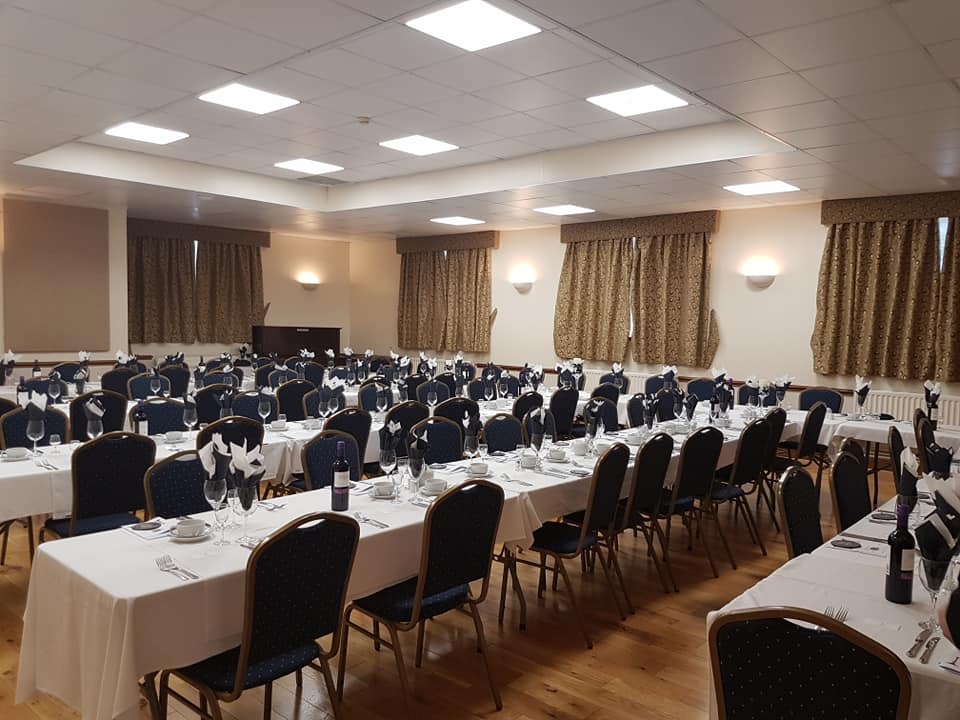
As well as for our own meet ups, Melyd Hall offers versatile function rooms ideal for any occasion. We have a well stocked bar, commercial kitchen and ample parking spaces.
From corporate events and training days to weddings, parties, social gatherings, and children’s birthdays, our fully equipped spaces are flexible and can cater to all your needs.
Another reason why we are the best!

